

Horror Night-Themed Slots by Hacksaw Gaming 2026
Horror Night-Themed Slots by Hacksaw Gaming 2026
Hacksaw Gaming’s horror catalogue keeps winning attention because it sells tension with discipline, not noise, and the numbers back that up more often than the marketing does (see the player resource for a practical starting point). My method here is simple: I checked RTP disclosures, volatility positioning, feature structure, and how often each game turns its theme into actual decision-making pressure. Set a stop-loss to 20 percent before you spin; without that rule, horror slots become expensive theatre.
The main challenge is assumption. Players hear “horror” and expect cheap jump scares, but Hacksaw usually builds its edge through lean grids, volatile bonus triggers, and compact feature loops. That means the real question is not whether the games are scary. It is whether they reward patience without draining the bankroll too quickly.
What the 2026 lineup actually offers
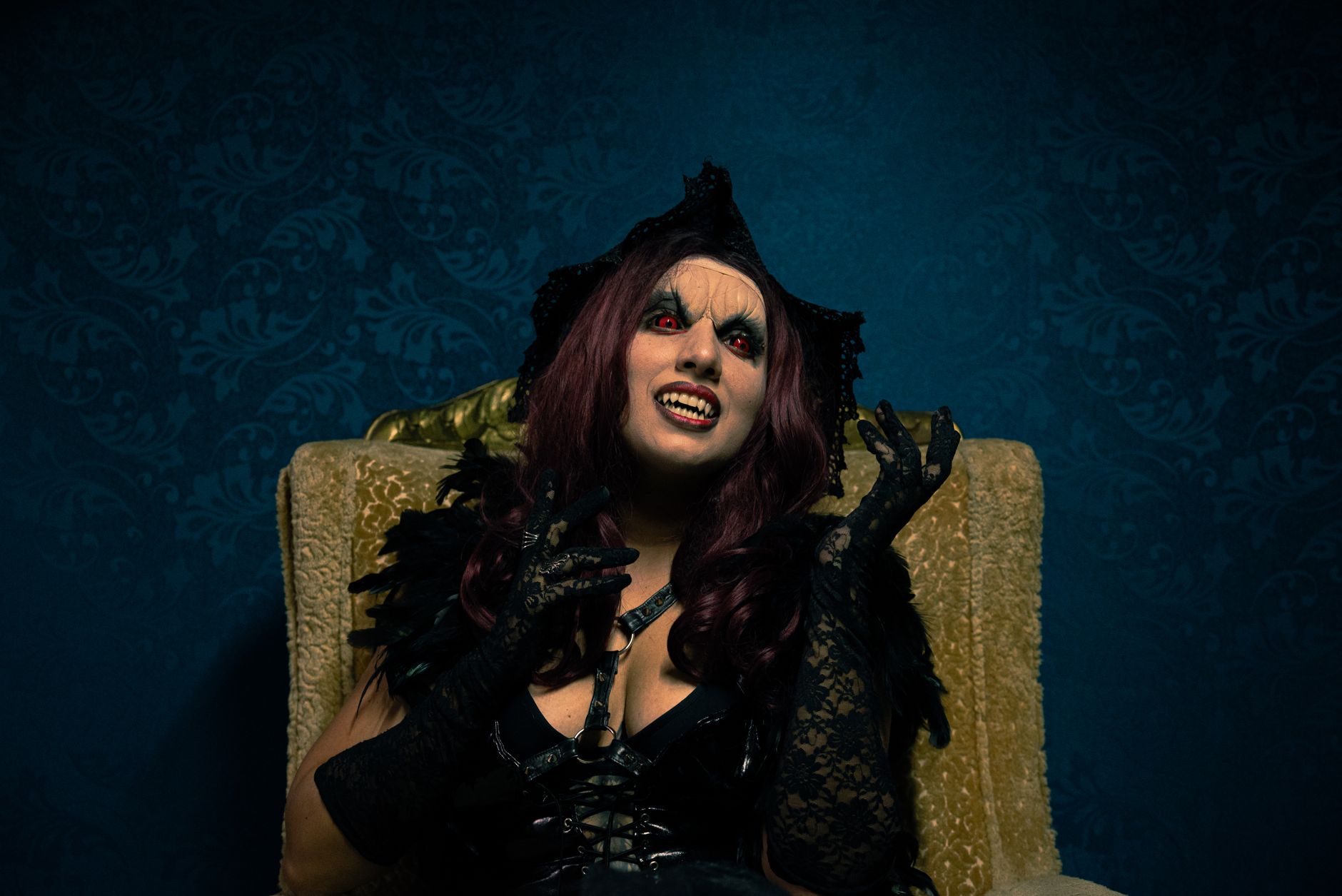
Hacksaw’s horror-leaning titles are not all cut from the same cloth. Some lean into graveyard imagery, others into masked villains, cursed objects, or midnight chase scenes. The common thread is controlled aggression: short base-game cycles, high variance, and features that can swing hard in either direction.
- Wanted Dead or a Wild — 96.38% RTP, extreme volatility, Wild West horror-adjacent tension with memorable bonus modes.
- Le Bandit — 96.31% RTP, high volatility, villain-driven design with a darker comic-book feel.
- Chaos Crew 2 — 96.21% RTP, high volatility, grim urban energy and strong feature pacing.
- Trick or Treat — 96.22% RTP, high volatility, classic Halloween framing with a cleaner bonus structure.
- Hand of Anubis — 96.31% RTP, high volatility, death-myth imagery that fits the horror mood without overplaying it.
That list is the useful filter. If a title does not carry published RTP, clear volatility, and a feature profile that supports long enough sessions to hunt the bonus, it does not belong in a serious 2026 watchlist.
Why Hacksaw’s horror design hits harder than the theme suggests
Hacksaw rarely relies on clutter. Instead, it uses negative space, sharp symbols, and abrupt feature reveals to create unease. That restraint makes the games feel heavier than they look. A slot with a haunted-house skin can feel generic; a Hacksaw title with a narrow reel set and a brutal bonus ladder feels engineered for pressure.
Three traits keep recurring:
Low-friction entry: the base game usually moves quickly, so the session never feels padded.
Feature concentration: most of the value sits in bonus mechanics, extra modifiers, or special symbol interactions.
High variance discipline: wins can arrive in clusters, but dry spells are part of the structure, not a flaw in it.
Players who want steady entertainment often misread that design as “thin.” It is not thin; it is selective. The game saves its weight for the bonus round, which is why bankroll control matters more here than in softer-variance releases from studios covered by the UK Gambling Commission.
The slots that deserve attention in 2026
Not every dark-themed release deserves the same ranking. Some are stronger as pure horror mood pieces; others are better as volatility tools for players who want dramatic upside. Here is the cleaner read.
| Slot | RTP | Volatility | Why it stands out |
|---|---|---|---|
| Wanted Dead or a Wild | 96.38% | Extreme | The strongest balance of atmosphere and explosive bonus potential. |
| Le Bandit | 96.31% | High | Stylised menace, fast pacing, and a sharp bonus identity. |
| Trick or Treat | 96.22% | High | Best for players who want Halloween flavour without visual overload. |
If you want the most ruthless reading, start with Wanted Dead or a Wild. If you want a slightly cleaner learning curve, Trick or Treat is easier to track over several sessions. If you want a darker, more urban menace, Chaos Crew 2 deserves a look, especially for players who prefer contemporary horror rather than gothic dressing.
Where the horror theme can mislead players
The mistake is assuming that a scarier theme means a better slot. It does not. Theme can mask weak math, and some dark releases across the wider market lean on image first, structure second. That is why the comparison with major studios matters; even Pragmatic Play often balances visual spectacle with clearer feature visibility, while Hacksaw tends to compress the experience into sharper spikes.
“A horror skin is not a strategy. The math still decides the session.”
That line sounds blunt because it is true. The best way to judge these games is to ask three questions: Does the RTP sit in a competitive range? Does the volatility match your bankroll? Does the bonus round have enough depth to justify the wait? If any answer is weak, the atmosphere will not save you.
Bankroll rules that make sense for this category
- Cap the session at 20 percent of your bankroll and stop when it is gone.
- Use smaller stakes than you would for medium-volatility titles.
- Do not chase a dead bonus with bigger bets; that is how variance turns into damage.
- Prefer titles with published RTP above 96 percent when several choices are available.
- Walk away after a strong hit; horror slots often tempt players to hand it back.
One practical rule helps more than three optimistic ones. If a game has not shown a bonus after a reasonable sample, treat that as information, not a personal challenge. Hacksaw’s horror titles are built for volatility, and volatility does not negotiate.
For 2026, the smartest view is narrow: Hacksaw Gaming’s horror-themed slots are worth attention when you want atmosphere with teeth, but they demand structure from the player. Keep the stakes controlled, read the RTP, and treat the theme as decoration around a hard mathematical core.
 CAll Geesor
 Facebook Geesor
 Instagram Geesor
 Zalo Geesor
